
Tank vs. Tankless Water Heaters: Which Is Right for Johnson City, TN, Homes in 2026?
Choosing between a tank and tankless unit is one of the most common questions Johnson City, TN, homeowners face at water heater replacement time. Your home's size, hot water habits, and budget all shape which system works best. This guide breaks down both options so you can make a confident decision in 2026. Ready to talk it through now? Call Austin's Plumbing, LLC at (423) 930-3968 for expert guidance and a free estimate.
Tank vs. Tankless: How They Work
Tank water heaters store and continuously heat 30 to 80 gallons of water so it is ready whenever you need it. A tankless, or on-demand, unit heats water only when a tap opens, sending it through a heat exchanger directly to your faucet.
- Upfront cost: Tank: Lower; Tankless: Higher.
- Energy efficiency: Tank: Lower (standby heat loss); Tankless: Higher (heats on demand).
- Lifespan: Tank: 8 to 12 years; Tankless: 20+ years.
- Space needed: Tank: Larger footprint; Tankless: Wall-mounted, compact.
- Hot water supply: Tank: Limited by tank size; Tankless: Continuous.
- Maintenance: Tank: Simpler, fewer parts; Tankless: Annual flush recommended.
Energy Efficiency and Long-Term Savings
According to the U.S. Department of Energy, tankless water heaters are 24% to 34% more energy efficient than tank models for households using 41 gallons or less of hot water daily, and 8% to 14% more efficient for higher-usage homes. The key reason is standby heat loss: a tank keeps water hot around the clock even when no one needs it. If lowering monthly energy costs is a priority, tankless systems typically have the edge.
Lifespan and Replacement Costs
Austin's Plumbing, LLC, is a licensed and insured plumbing contractor serving Johnson City, TN, and the surrounding Tri-Cities area. Whether you are dealing with a plumbing emergency or noticing early warning signs at home, the right time to act is now. Visit Austin's Plumbing, LLC on Google or contact us today to schedule your service.
Johnson City, TN, Climate and Water Quality Considerations
Johnson City winters can push temperatures below freezing, so tankless units installed in unconditioned spaces such as garages or crawlspaces may need freeze-protection accessories. Proper installation location matters for both unit types during cold snaps.
Johnson City, TN, water is generally moderate in hardness, so mineral scale is a factor worth planning for with either system. Sediment can settle in tank models over time, and scale can build up on a tankless heat exchanger. Annual flushing of a tankless unit is still recommended to maintain efficiency. Homes on private well water should consider a water quality test before replacement to determine if filtration is advisable.
Homes in outlying parts of Washington County or the surrounding Tri-Cities area with longer pipe runs should confirm a tankless unit is properly sized for the flow rate needed when multiple fixtures run simultaneously.
When Replacement Beats Repair
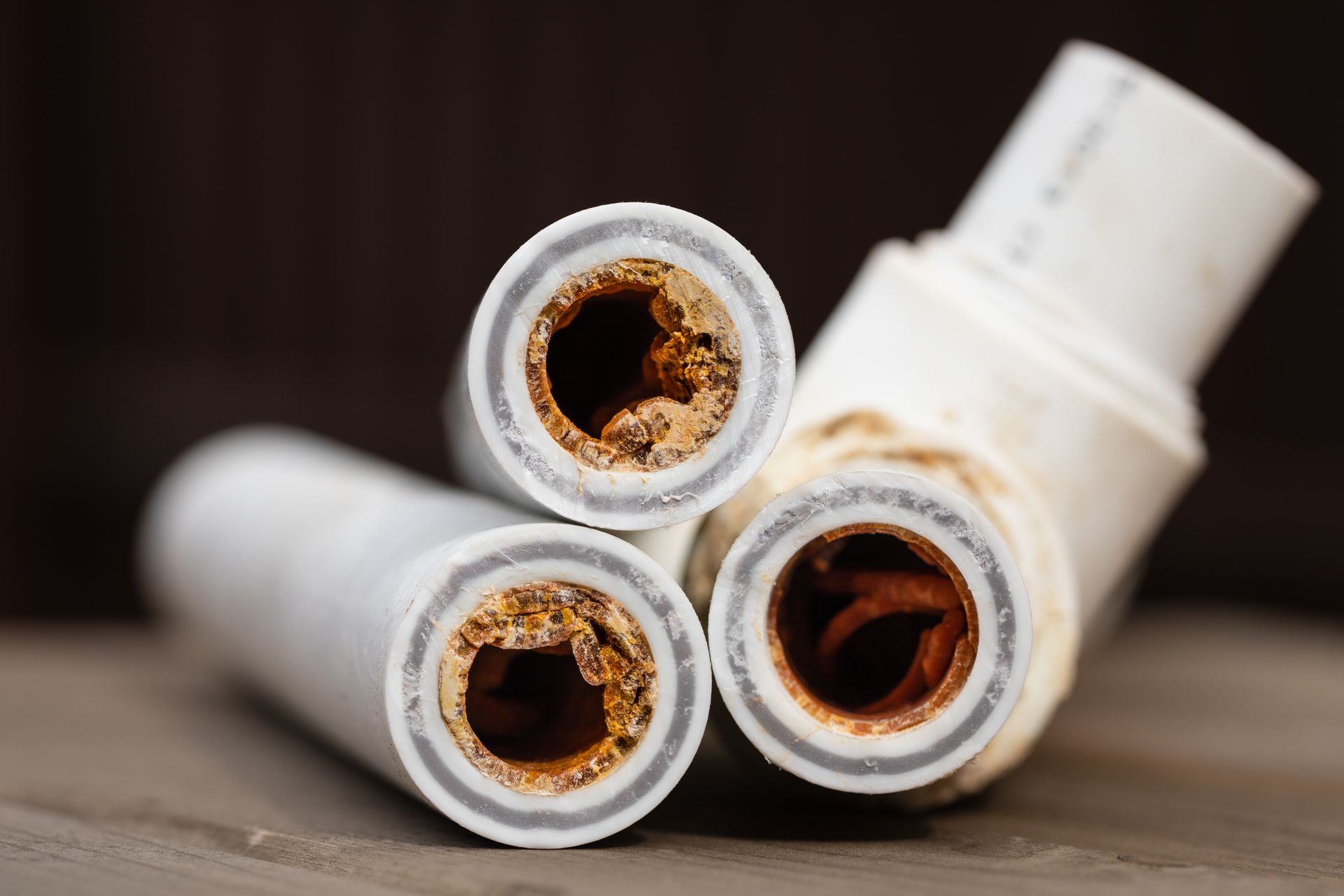
If your unit is more than 10 years old and repairs are becoming frequent, replacement is typically the better investment. Signs that point toward water heater replacement include rusty or discolored hot water, popping or rumbling sounds from sediment buildup, water pooling around the base, and inconsistent temperatures that cannot be resolved by a thermostat adjustment. For tankless units, reduced flow rate or recurring error codes after servicing may indicate the heat exchanger is nearing the end of its life.
Tennessee Permit Requirements for Water Heater Installs
Permits are generally required in Tennessee when installing a new water heater, replacing a unit with a different type, or modifying gas or electrical connections. Switching from tank to tankless may trigger additional permit and inspection requirements alongside the plumbing permit. A licensed plumber handles all permit steps correctly, protecting your home's safety and resale value.
Frequently Asked Questions
Which Water Heater Type Is Better for a Small Home in Johnson City, TN?
A tank water heater is practical and cost-effective for smaller homes with lower daily demand. If your household uses 41 gallons or less per day, a compact tank unit may serve you well. Tankless units also work in smaller homes and free up utility room space. A licensed plumber can help you determine the right capacity and type for your floor plan.
Does Cold Weather Affect Tankless Water Heaters in Johnson City?
Yes. Tankless units installed in unconditioned spaces are sensitive to freezing. Most modern units include built-in freeze protection, but garage or outdoor installations may benefit from added pipe insulation or a unit with an extended freeze-protection rating.
How Long Does a Water Heater Replacement Take?
A like-for-like tank replacement typically takes two to four hours. Switching from tank to tankless can take longer due to gas line, venting, or electrical modifications. Planning ahead rather than waiting for an emergency failure gives you more flexibility.
Is a Tankless Water Heater Worth the Higher Upfront Cost?
For many homeowners, it depends on how long they plan to stay. Tankless units last 20 or more years versus 8 to 12 for tank models, and reduced energy use over that period can offset the higher initial cost. If you plan to sell within a few years, the long-term payback may matter less.
Get the Right Water Heater for Your Johnson City Home
Austin's Plumbing, LLC serves Johnson City, TN, and the surrounding Tri-Cities area with professional water heater installation, replacement, and repair for residential and commercial clients. The team can assess your home's hot water demand, available space, and fuel type to recommend the best fit for your budget. Call
(423) 930-3968 or
contact us online to schedule an estimate. You can also explore available
tank and tankless water heater services before you call. Find business details, hours, and directions by looking us up on
Google Maps.